
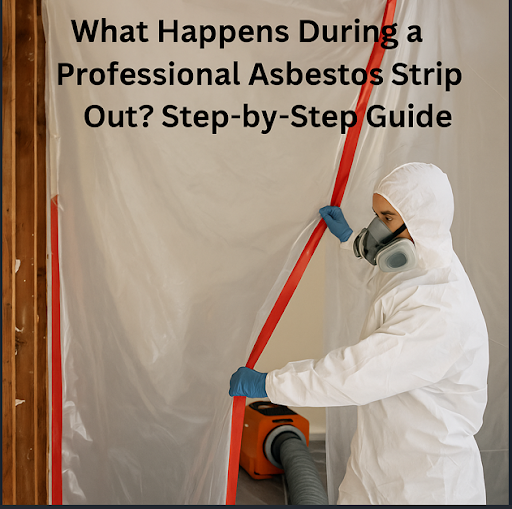
An asbestos strip out is a professional process where asbestos-containing materials (ACMs) are safely removed from a building during renovation or demolition. It’s a critical step that protects everyone involved—residents, workers, and the public.
Older buildings across Frankston and Victoria often contain asbestos in areas like ceilings, floors, eaves, and bathrooms. Disturbing these materials without proper procedure can release deadly fibres into the air.
Asbestos exposure is known to cause serious, long-term illnesses. Once inhaled, fibres become lodged in lung tissue and remain there for decades.
Diseases caused by asbestos include:
Even low-level exposure, especially during renovations, can lead to irreversible damage.
Before any asbestos removal, an inspection identifies materials likely to contain ACMs. Common locations include:
Homeowners often discover asbestos during bathroom strip outs or kitchen renovations—making professional inspection essential.
Step 1: Site assessment and inspection
A licensed asbestos assessor inspects the site, collects samples, and prepares a report. This determines what materials need to be removed and how.
Step 2: Notification and legal paperwork
Depending on the size and type of removal, contractors notify WorkSafe Victoria before beginning. Proper documentation and planning are legally required.
Step 3: Containment zone setup
Workers isolate the asbestos area using plastic sheeting, tape, and signage. Entry is restricted.
Step 4: Air filtration and pressure systems
HEPA-filtered negative pressure units (NPUs) are installed. These suck air in and prevent asbestos fibres from escaping the zone.
Step 5: Careful removal by licensed technicians
Workers wear full PPE, including suits and respirators. ACMs are removed by hand—never broken or cut.
Step 6: Wet methods and low-impact tools
To minimise fibre release, materials are kept wet and tools are non-powered wherever possible.
Step 7: Bagging and sealing
All waste is double-bagged in thick plastic and labelled. It’s then placed in secure bins for disposal.
Step 8: Detailed site cleaning
The area is vacuumed using HEPA equipment. Wipe-downs and surface swabs are conducted.
Step 9: Air monitoring and clearance inspection
Air quality is tested. A final clearance certificate is issued only if the air is confirmed safe.
Asbestos exposure during DIY or unlicensed renovations poses risks to:
As we discussed in Planning a Renovation in Frankston? Don’t Skip the Asbestos Inspection, even small renovations can uncover hidden asbestos. Getting professional advice is non-negotiable.
If you’re a landowner or renovator with sheds, barns, or outbuildings, our next article Removing Asbestos from Farm Sheds and Barns: What Every Landowner Should Know walks you through rural risk factors, which are often overlooked in domestic settings.
If you’re renovating or demolishing a home or commercial property, a safe, certified strip out is essential.
📱 Message Phase One Asbestos via our Facebook Page to schedule a professional strip out or inspection.
Meta Description (SEO, 160 characters max):
What happens during a professional asbestos strip out? Learn each step of the safe removal process to protect your home, family, and renovation.