
If you’ve just learned about the risks of asbestos during strip outs, you’re probably wondering what to do next. The answer is simple: get an asbestos inspection.
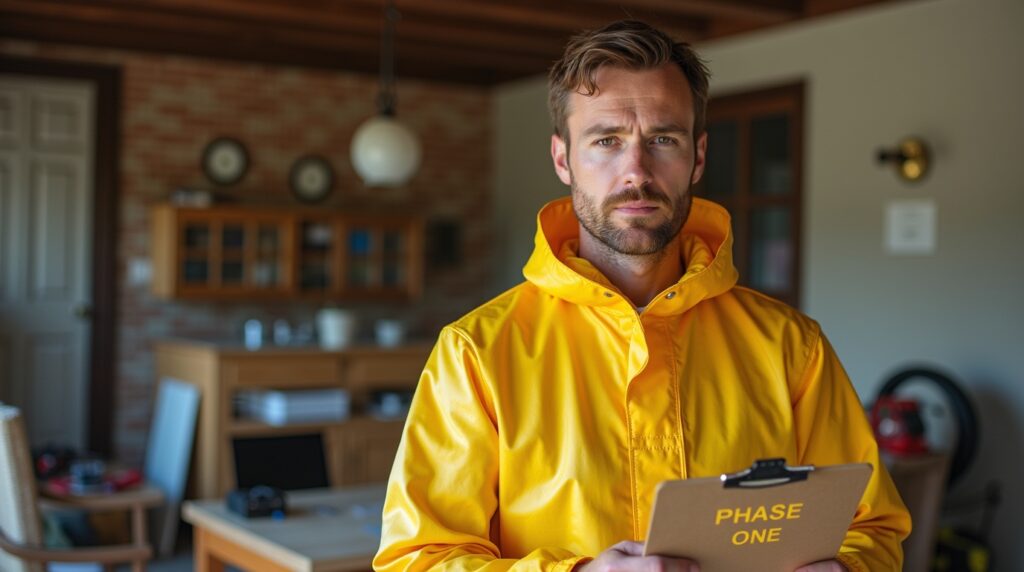
But what does that actually involve? Who does it? How much does it cost? And most importantly — how do you know it’s been done properly?
This guide will walk you through everything a proper asbestos inspection should include before any demolition or strip out work begins in your Melbourne home.
Strip outs are messy. Walls come down, tiles come up, floors get ripped apart. If your house was built before 1990 — and many in Melbourne were — there’s a real chance that some of those materials contain asbestos.
The danger is in the disturbance. Once asbestos is broken, drilled, or removed, it can release tiny fibres into the air. You can’t see them. You won’t smell them. But breathing them in, even once, could lead to long-term health issues.
A proper inspection before you begin any work is the only way to know what you’re dealing with — and how to manage it safely.
In Victoria, asbestos inspections must be done by someone qualified, licensed, and experienced. That usually means one of the following:
These experts are trained to identify, sample, and assess asbestos-containing materials (ACMs) according to WorkSafe Victoria regulations.
General tradespeople, builders, or DIY renovators are not legally qualified to confirm the presence or absence of asbestos.
Here’s what a typical inspection process looks like when done correctly:
Most residential inspections take 1–2 hours on-site, depending on the size of your home and the complexity of the strip out area.
Add another 1–3 days for lab testing, and you can usually have a full report within a week from booking.
Prices vary depending on how many areas need testing and how many samples are collected, but expect:
Beware of ultra-cheap quotes. Some contractors skip lab testing or issue visual-only “certificates” that don’t hold up under legal scrutiny.
A proper inspection should always include:
If any of these are missing — or if you only get a verbal “all clear” — the job was not done correctly.
No. A visual-only inspection cannot confirm the presence or absence of asbestos. Some companies offer “free inspections” that involve walking through the house and guessing.
Legally and practically, this doesn’t protect you. If your contractor damages asbestos-containing material based on bad advice, you’re still liable — and potentially exposed.
Always insist on lab testing and written documentation.
Technically, asbestos testing kits exist — but in practice, they’re not recommended.
Here’s why:
If you suspect asbestos, leave it alone and call a licensed professional. It’s not worth the risk to your health or your renovation timeline.
If your report confirms asbestos, don’t panic. It doesn’t mean your renovation is off — it just means you’ll need a licensed removalist to handle those materials safely.
WorkSafe Victoria requires you to:
These steps aren’t just legal — they’re lifesaving.
Look for companies that:
You can also check the WorkSafe Victoria website for registered providers.
Once you have your asbestos register, you’re ready to plan your strip out the right way.
If asbestos was found, line up a removalist early — delays are common. If not, you’ll have peace of mind knowing your project can move ahead safely.
Either way, you’ve taken the most important step: making an informed decision with expert data, not guesswork.
In the next article, we’ll cover exactly what happens to asbestos after it’s removed — where it must go, how it must be wrapped, and who’s legally responsible for getting it right. You’ll learn how to avoid illegal dumping, protect your neighbours, and stay compliant with EPA and WorkSafe rules.